Natural Seed & Nut Butters: Control Ingredients, Save Money – Your Ultimate Guide to Homemade Seed & Nut Butter Recipes
In an increasingly health-conscious world, consumers are scrutinizing food labels more closely than ever. While many of us enjoy the convenience of store-bought nut and seed butters, a quick glance at the ingredient list can often reveal unwelcome surprises: added sugars, unhealthy oils, artificial preservatives, and emulsifiers. But what if there was a simple, cost-effective way to enjoy these creamy, nutritious spreads with complete peace of mind? Welcome to
the ultimate guide to homemade seed nut butter recipes, where we empower you to take back control of your kitchen, your ingredients, and your budget.
Making your own natural seed and nut butters from scratch isn't just a trend; it's a game-changer. It's about crafting pure, wholesome spreads that are bursting with flavor and free from anything you don't want. Over the past few years, the appeal of DIY nut butters has surged, and for all the right reasons. From the unparalleled taste to the significant health benefits, embarking on this culinary journey is a rewarding experience. Whether you're seeking a healthier alternative, a way to customize unique flavors, or simply delight in the satisfaction of making things from scratch, homemade nut and seed butters are an exceptional choice.
Why Go Homemade? Unpacking the Benefits of DIY Nut & Seed Butters
The decision to make your own nut and seed butters is driven by several compelling advantages that store-bought versions simply can't match.
Complete Control Over Ingredients
This is perhaps the most significant benefit and a massive plus for anyone prioritizing health and clean eating. When you make nut butter at home, you are
100% in control of the ingredients. This means:
- No Unnecessary Oils: Many commercial butters use cheaper, often hydrogenated oils (like palm oil or soybean oil) to improve texture and extend shelf life. These can contribute to unhealthy fats in your diet. Homemade means pure, natural oils from the nuts and seeds themselves.
- Zero Additives or Preservatives: You won't find any artificial emulsifiers, stabilizers, or chemical preservatives in your homemade jar. Just the pure goodness of the main ingredient.
- Sugar-Free Options: Store-bought varieties are notorious for hidden sugars. With homemade, you decide if and how much sweetener to add, opting for natural choices like a drizzle of maple syrup or honey, or keeping it entirely sugar-free.
- Allergen Management: For those with specific dietary needs or allergies, homemade allows you to prevent cross-contamination and ensure your butter is safe.
There’s truly nothing better than enjoying
100% natural, clean ingredient recipes that you've crafted yourself.
Significant Cost Savings
Let's talk money. While an initial glance at bulk nut prices might seem daunting, the truth is that making homemade seed and nut butters is almost always more cost-efficient than buying store-bought, especially for high-quality, natural versions.
- Bulk Buying Power: Purchasing raw nuts and seeds in larger quantities often results in a lower per-pound cost.
- Avoiding Processing & Packaging Markups: Commercial products include the costs of manufacturing, branding, and distribution, all of which are passed on to the consumer.
- Flavoring Batches: When you flavor your homemade batches (e.g., adding cinnamon, vanilla, or cocoa), you're still saving money compared to buying specialty flavored butters at a premium.
This cost-effectiveness also extends to thoughtful gifting. Homemade seed and nut butter recipes make for a delicious and heartfelt edible gift, particularly as part of an edible Christmas gift basket, offering a personal touch that store-bought items can't replicate.
Unrivaled Freshness & Flavor Customization
Beyond health and savings, the taste experience of homemade nut and seed butters is simply superior. Freshly roasted nuts and seeds release their aromatic oils, resulting in a depth of flavor that pre-packaged jars can rarely match. Moreover, you become the artisan of your own spreads:
- Perfect Texture: Want it super smooth? Blend longer. Prefer a little crunch? Add some chopped nuts back in at the end.
- Personalized Flavors: Experiment with a pinch of sea salt, a dash of cinnamon, a swirl of vanilla extract, a hint of cardamom, or even a spoonful of cocoa powder for a decadent chocolate nut butter. The possibilities are endless!
The Simplicity of Homemade: How to Make Nut & Seed Butter
You might be wondering how hard it is to make these delicious spreads from scratch. Luckily for you, we can't overstate how simple
homemade seed nut butter recipes are. The process is almost identical for nearly every nut or seed, requiring just a few straightforward steps. Honestly, since starting to make my own nut and seed butters, I can't imagine buying store-bought versions anymore.
The Four Core Steps:
- Roast the Nuts/Seeds: This crucial step enhances the flavor dramatically and helps to release their natural oils, making blending much easier. Spread your chosen nuts or seeds in a single layer on a baking sheet and roast in the oven for approximately 10-15 minutes at around 325-350��F (160-175°C). Keep a close eye on them to prevent burning!
- Allow to Cool Slightly: Once roasted, remove them from the oven and let them cool down for a few minutes. They should still be warm, but not scorching hot. This prevents overheating your appliance and helps achieve the best texture.
- Process in a High-Powered Blender or Food Processor: Transfer the warm nuts or seeds to your high-powered blender or food processor. The key to a good nut butter is indeed a reliable food processor. Over the past few years, I’ve tried different food processors and blenders with varying performance and quality – and most of them do the job!
- Blend, Blend, Blend!: This is where the magic happens. The longer you blend, the smoother the end product you’ll get. Depending on the nut/seed and the power of your appliance, this can take anywhere from 5 to 30 minutes. You'll witness a fascinating transformation: from whole nuts to a crumbly meal, then a sticky paste, and finally, a gloriously smooth, creamy butter. Be patient, and scrape down the sides of your processor frequently to ensure even blending.
While these are the fundamental steps, there are a few more tips and secrets that will help you perfect your homemade nut and seed butters every time. For a deeper dive into the process and to explore individual recipes, be sure to check out
Your Ultimate Guide to 12 Homemade Nut & Seed Butter Recipes.
Top Tips for Perfect Homemade Nut & Seed Butters Every Time
Even with the process being as simple as it is, a few handy hints can elevate your homemade spreads from good to absolutely perfect.
- Invest in a Good Food Processor: While many blenders can work, a sturdy food processor with a strong motor is truly your best friend for making consistently smooth butters. Its wider base and sharp S-blade are ideal for continuous processing.
- Patience is a Virtue: The blending stage requires patience. There will be moments where it looks like nothing is happening, or that your nuts have turned into a dry crumbly mess. Resist the urge to add liquid (like oil or water) too early, as this can seize the mixture. Just keep blending and scraping down the sides; the natural oils will eventually release.
- Don't Over-Roast: Burning your nuts or seeds will impart a bitter taste to your butter that you can't undo. Roast until just fragrant and lightly golden.
- Season to Taste: A pinch of sea salt can really enhance the flavor. For sweetness, add a little maple syrup, honey, or a medjool date during the last few minutes of blending. Vanilla extract, cinnamon, or cocoa powder can be added for unique flavor profiles.
- Scrape, Scrape, Scrape: Frequently stop your processor and scrape down the sides with a spatula. This ensures all parts of the mixture are processed evenly and prevents the motor from overheating.
- Warmth Helps: Roasting the nuts/seeds slightly warm before processing helps their oils release more easily, leading to a smoother, creamier butter.
- Storage: Store your homemade butters in airtight jars. While many can be stored at room temperature for a week or two, refrigeration is recommended to extend freshness and prevent the natural oils from going rancid, especially for butters not consumed quickly. They can typically last several weeks to a month in the fridge.
A World of Flavor: Exploring Homemade Nut & Seed Butter Recipes
The beauty of
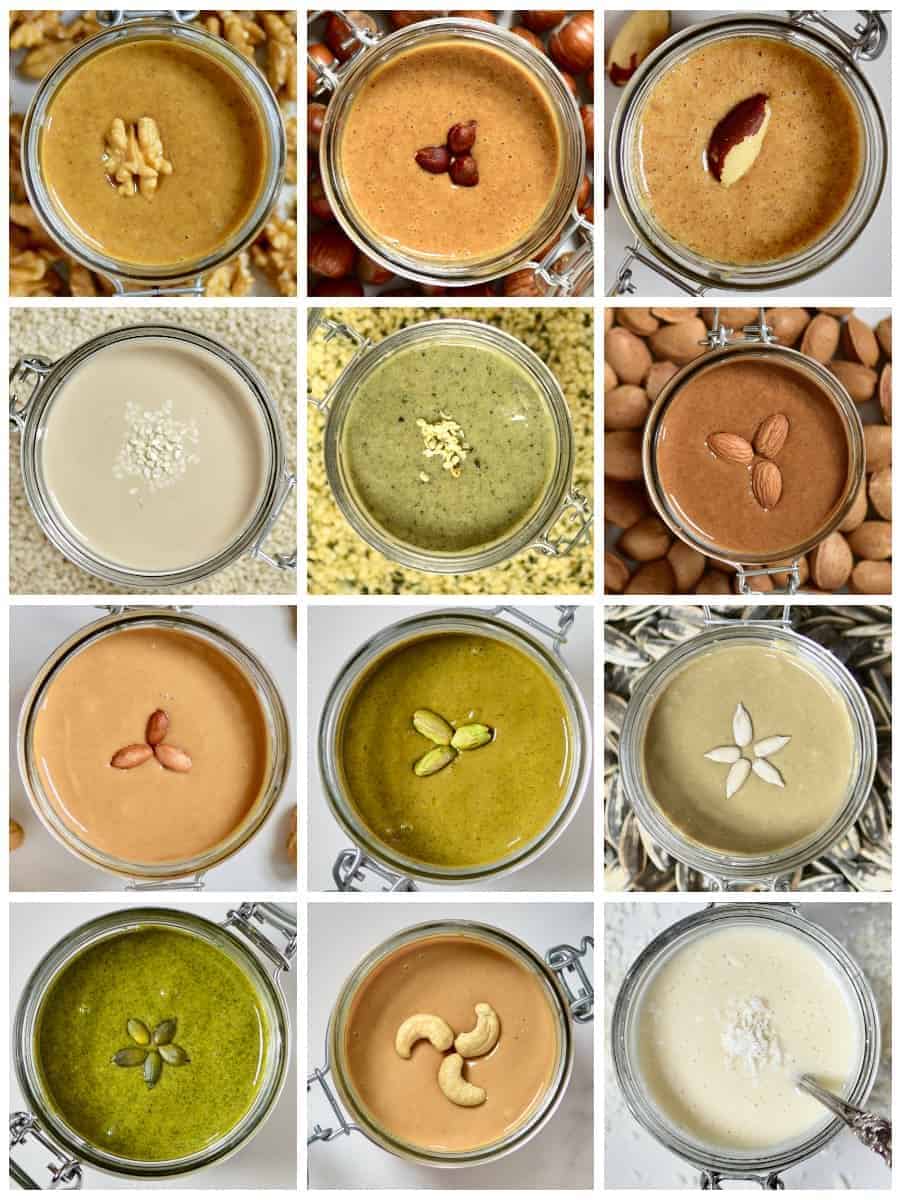
the ultimate guide homemade seed nut butter recipes lies in its versatility. Once you master the basic technique, a vast array of delicious spreads awaits. The recipes included in this journey are extensive, promising something for every palate and dietary need. Here's a glimpse of the incredible variety you can create:
- Classic Nut Butters: Almond Butter, Pistachio Butter, Cashew Butter, Brazil Nut Butter, Walnut Butter, Hazelnut Butter, Peanut Butter.
- Nutrient-Packed Seed Butters: Pumpkin Seed Butter, Hemp Seed Butter, Sunflower Seed Butter, Sesame Butter (Tahini).
- Unique Delights: Coconut Butter.
Each of these offers its own distinct flavor profile and nutritional benefits. For an easy walkthrough of these and more, don't miss
Easy Homemade Nut Butters: Simple Steps, Healthier, Cost-Saving.
Conclusion: Embrace the Joy of Homemade
Embracing the world of homemade seed and nut butters is more than just a culinary endeavor; it's a step towards healthier eating, smarter spending, and mindful living. You gain unparalleled control over your ingredients, ensuring your family enjoys pure, natural spreads free from unwanted additives. You unlock significant cost savings, especially when buying in bulk and customizing flavors. And perhaps most importantly, you discover the immense satisfaction and superior taste that comes from creating something wholesome and delicious with your own hands. So, grab your food processor, select your favorite nuts or seeds, and embark on this incredibly rewarding journey. Your taste buds and your wallet will thank you!